Shape the Future of Education Policy
Develop the research skills to influence education policy, improve educational outcomes, and make a meaningful impact through the Univesity of Arkansas Ph.D. in Education Policy.
A Program Built for Success
Graduate job placment
Since program inception
Ph.D. students funded
Since program inception
Four-year program completion rate
Explore What You Can Study
Develop the expertise to address complex challenges in K–12 education through advanced
training in quantitative research methods, causal inference, program evaluation, and
education policy analysis. Prepare for a career making an impact through research,
policy, and public service.
-
School Choice & Accountability
Examine policies that shape educational options and school performance.
-
Education
FinanceExplore how funding and resources influence educational opportunities.
-
Teacher
PolicyInvestigate policies affecting teacher quality and effectiveness.
-
Student
AchievementStudy the factors influencing student outcomes and educational opportunity.
Where Can Your Ph.D. Take You?
Our graduates pursue careers in academia, think tanks, public service, and organizations shaping education policy.
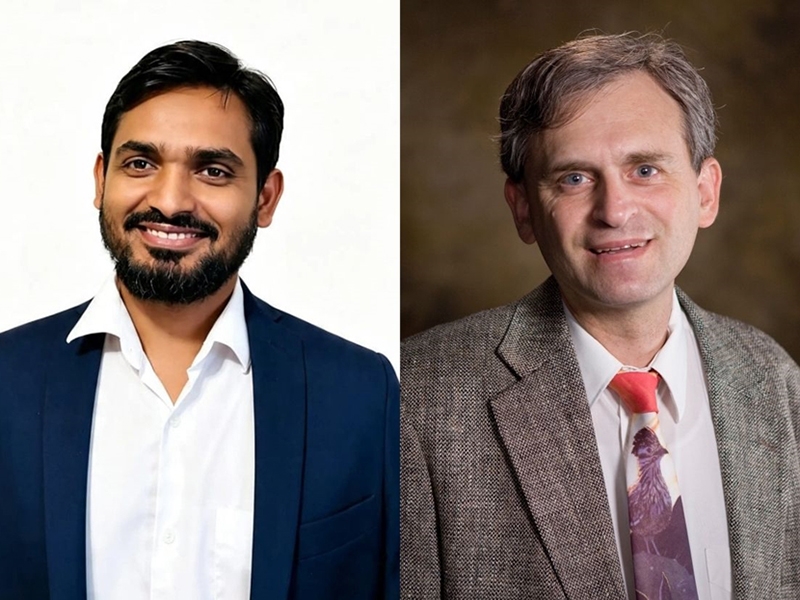
Education Reform student Juwel Sarker and professor Robert Maranto put research into action, collaborating on a study examining the impact of social media on students in Bangladesh.
Turn Research Into Real-World Change
Gain the knowledge and quantitative research skills to tackle important questions in K–12 education policy.
Our Ph.D. in Education Policy combines rigorous methodological training with opportunities to explore school choice, accountability, education finance, teacher policy, student achievement, and educational opportunity.
Prepare for a career in academia, public service, or a think tank while developing the skills to conduct research that informs education policy.
Old Main, the heart of the University of Arkansas campus, where Education Reform doctoral students build the foundation for careers in research and education policy.
Invest in Your Future.
We'll Invest in You.
Pursue your Ph.D. with financial support from the Department of Education Reform.
Every student in our Ph.D. in Education Policy program has received funding, with renewable support for up to four years. Funding packages include free tuition, subsidized health insurance, and approximately $33,100 or $43,100 in annual financial aid.
Students also receive additional support to attend national conferences, share their research, and build professional networks.
Research Initiatives
The Department of Education Reform is home to research initiatives advancing education research, policy, and practice.
Take the Next Step Toward Your Ph.D.
Questions about the program? Contact Graduate Coordinator Tom Bennett at tabennet@uark.edu.
Application Deadlines
January 10 — Priority deadline for admission and fellowship consideration.
December 1 — Early deadline for applicants seeking consideration for nomination to the Distinguished Doctoral Fellowship who meet the specified qualifications.
The program admits new students once a year, beginning in August.
Admissions Requirements
Successful applicants typically demonstrate:
- Combined GRE scores above 300
- GRE analytical writing score of 4.0 or higher
- Minimum undergraduate GPA of 3.0 or graduate GPA of 3.5
Admission decisions consider each applicant's overall academic and professional background.
Residency Requirement
Students must be in residence at the University of Arkansas for at least the first
three years of the Ph.D. program.
Application Materials
Applicants must submit:
-
GRE scores and official transcripts
-
At least two letters of recommendation
-
Departmental application
-
Statement of purpose (1,000 words or fewer)
-
Curriculum vitae

Department Head of Education Reform and 21st Century Endowed Chair in Education Policy
A Message from the Department Head
“If you are curious, comfortable questioning conventional wisdom and want your research to matter beyond the university, then education policy is a great place to build a career.”
Stay Curious. Stay Connected.
Keep up with the people, research, and ideas shaping the future of education. Get
the latest news and updates from the Department of Education Reform.